Isabell M Meier

Senior researcher
Read more
Senior researcher
Read more
Senior researcher
Read more
Senior researcher & PI
Read more
Professor & PI
Read more
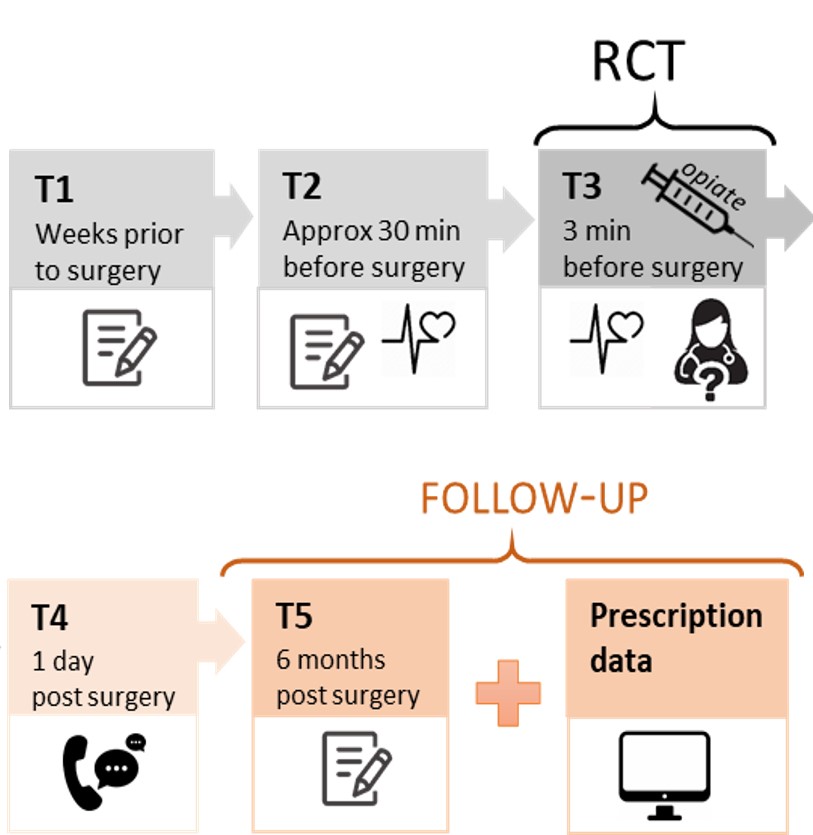
Opioid analgesics are given to millions of people before and after surgery. Postsurgical opioid treatment carries risk of prolonged opioid use, and it is important to understand postsurgical opioid use across countries with varying prescription practices. Opioid analgesic effects are also the subject of strong beliefs, many of which can be described as myths since they do not reflect the state of the scientific evidence (see e.g. Barnett, 2020, NEJM or this talk by Siri Leknes).
In 2018, we started an observation study Kongsberg Hospital where we investigated the acute subjective effects of commonly used opioids (morphine, oxycodone, fentanyl) in an ecological setting: the operating table. We also gathered subjective and prescription data long-term to assess acute and long-term postoperative opioid use in a Norwegian, opioid conservative context.
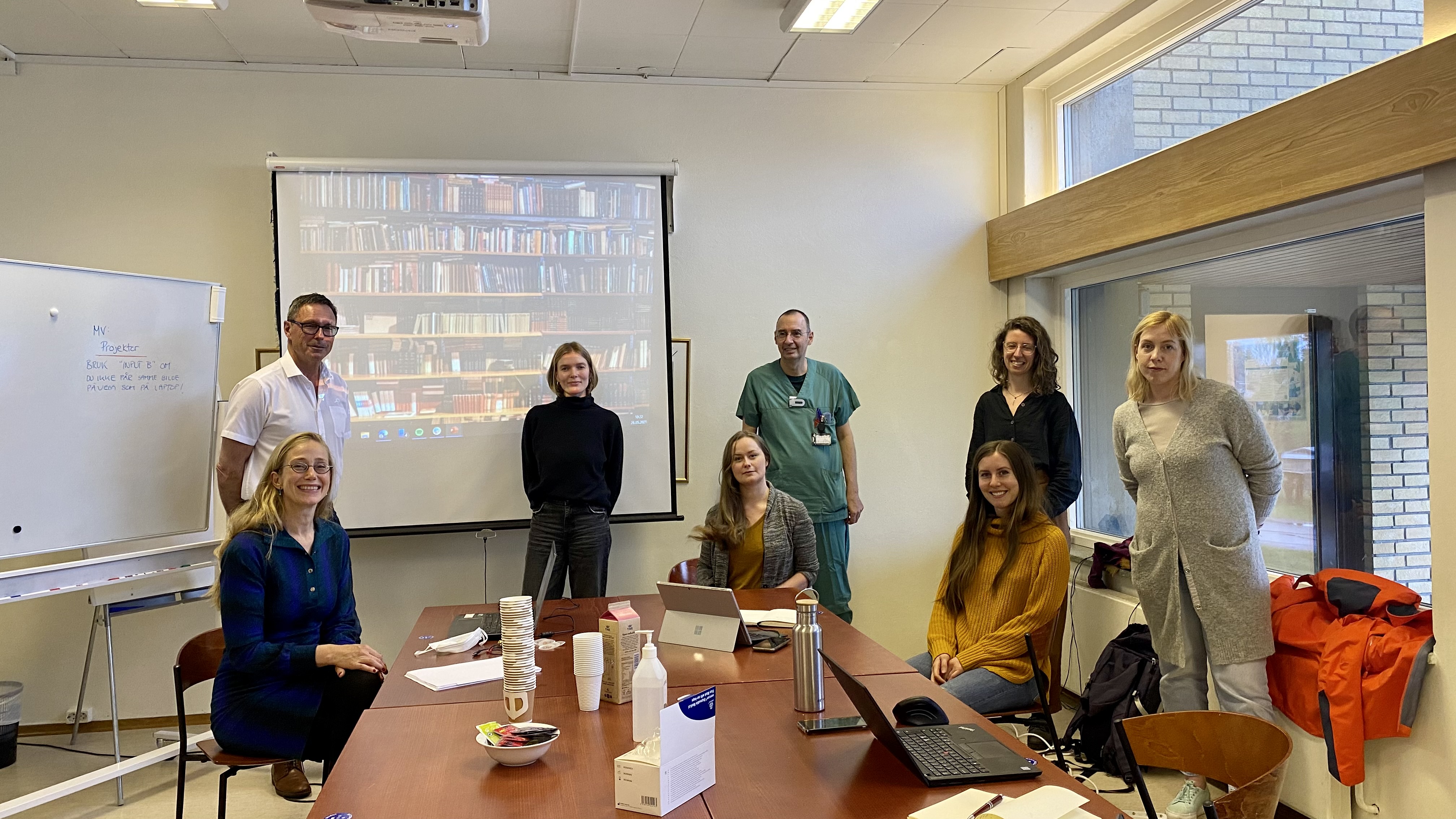
The project was expanded via grants to Gernot Ernst, Marie Eikemo and Siri Leknes from the Regional Health Authority and Vestre Viken Trust and now encompasses a multi-centre RCT + longitudinal study of predictors of postsurgical opioid use in Norway. The project management team consists of Marie Eikemo, Gernot Ernst, Siri Leknes and Leiv-Arne Rosseland. Kaja Buen is a full-time reseach nurse on the project at Kongsberg, soon to be joined by anaesthetic nurse Siri Gurandsrud Karlsen in a PhD position. Anaesthetists Harald Lenz and Marlin Comelon are new collaborators at OUS together with Leiv Arne Rosseland, and will aid the implementation of the study at Ullevål and other OUS hospitals starting in 2022.

Professor, Lausanne University Hospital
Read more
Research nurse
Read more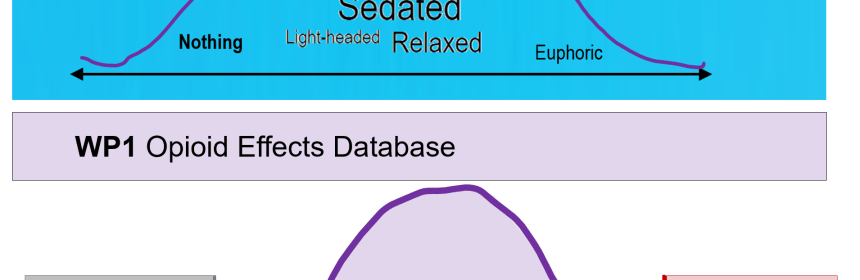

As illustrated by this word cloud generated by our surgery patients (see http://www.NorOp.net), opioids make people feel a lot of things. However, we currently lack the means to predict who will feel what: who will achieve good pain relief, who will vomit and who will be at risk of addiction. The dominating paradigm in the literature is the group-based RCT, which gives us the mean, but cannot be used to predict individual responses.
In SpectrO, we will start by pooling all of the data with full variance across all of the key effects into a database. Analysing across these rich interdisciplinary datasets will really allow us to understand individual variability and resolve controversies in the literature.
We will also hone in on a really interesting and recently discovered population of people whose mu-opioid receptors are silenced due to a mutation. The aim is to understand why opioids effects are so variable and diverse by understanding the receptor system that they target.
The third part of SpectrO will use a series of N-of-1 RCTs to adjust medication doses, turning clinical practice into science by applying double-blinded, randomised duration dose titration in opioid-treated chronic pain patients. The aim of work package is to reconcile the science with the clinic by showing, using gold standard methodology, that some patients really do benefit from opioids over time
In the face of major stressful life events, some individuals cope well whereas others experience persistent physical and mental distress. How we react to and recover from stress is related to a complex interplay of environmental factors, social circumstances, biological vulnerability, and resilience factors.
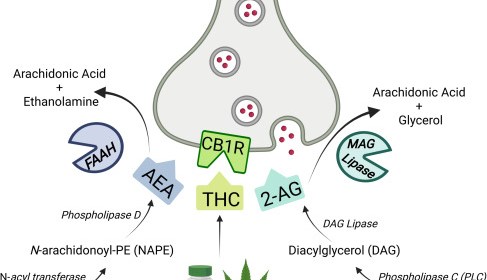
Studies in animals and patient groups with considerable stress burden, such as post-traumatic stress disorder, indicate that the intensity of a stress response and how quickly we recover involves the endocannabinoids, – brain molecules that activate the same brain receptors as cannabis.
In this project, we will investigate how endocannabinoid levels in blood, hair and cerebro-spinal fluid are related to stress coping after acute and prolonged stress, to understand why some individuals are more resilient than others. One part of the project is linked to the NorOp study where we are testing patients undergoing a stressful, yet very common life event: a surgical procedure. We measure perceived stress as well as mental and physical health from the period before the surgery to two years afterward, and test how these measures are related to levels of endocannabinoids among other stress-related molecules. The second part of CannaStress builds on the ERC funded Opioidreward project. We will use data from an experiment where participants were exposed to psychosocial stress to investigate how endocannabinoid levels influence stress responses and whether the stress itself can impact the release of endocannabinoids and other stress hormones such as cortisol. We will also assess the interplay of opioids and endocannabioids.
An overarching goal of the project is to assess whether endocannabinoid measures can be used to tailor prevention strategies as well as treatment and follow-up after substantial life stressors that increase the risk of poor health outcomes.

 Affective Brain lab